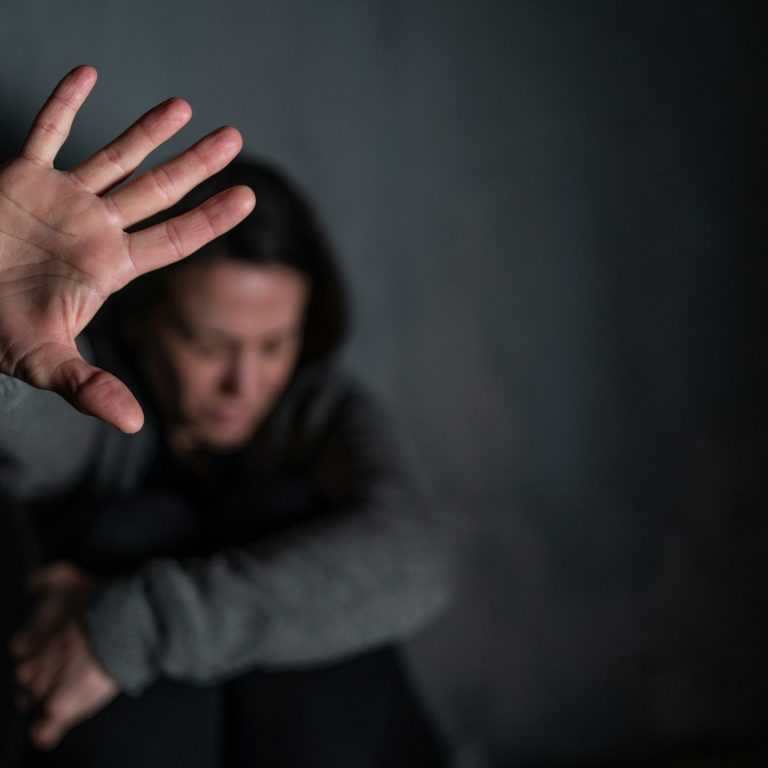
The prevalence of domestic violence in society is alarming, with impacts that extend beyond the individual being abused. It not only affects victims but can also have profound effects on families, children, and communities. Victims often experience feelings of shame, isolation, and fear, which can prevent them from seeking help and support. Addressing this issue requires societal awareness and an understanding of the signs of domestic violence, including changes in behavior, withdrawal from social situations, and unexplained injuries.
Understanding Domestic Violence
Recognizing the Impact and Severity
Domestic violence is a pervasive issue that affects individuals across all demographics. Defined as a pattern of abusive behavior in any relationship that is used by one partner to gain or maintain power and control over another intimate partner, it encompasses physical, emotional, sexual, and psychological abuse. Understanding domestic violence begins with recognizing its various forms, which can include physical injury, threats, intimidation, isolation, and financial control.
Domestic violence affects millions of individuals and families each year, regardless of age, race, income, education, or faith background. It is a pattern of power and control that can have profound effects on physical health, mental well-being, relationships, and long-term quality of life. Understanding domestic violence is the first step toward safety, healing, and prevention.

Domestic violence is a pattern of behaviors used by one person to gain or maintain power and control over another in an intimate, family, or household relationship.
It may include:
Physical abuse
Emotional abuse
Psychological abuse
Verbal abuse
Sexual abuse
Financial abuse
Digital abuse
Spiritual abuse
Stalking and harassment
Coercive control
Recognizing The Warning Signs of Domestic Violence
Understanding the Indicators of Abuse
Domestic violence can manifest in both subtle and obvious ways, making it essential to recognize the warning signs that may indicate someone is experiencing abuse. At After the Fire Nineteen 12 LLC, we believe that awareness is the first step toward prevention, intervention, and healing.
One important sign to watch for is a sudden change in behavior. If a loved one becomes increasingly withdrawn, anxious, fearful, or isolated, it may indicate that they are experiencing abuse. Frequent injuries, such as bruises, cuts, or unexplained marks, should also raise concerns and warrant compassionate attention.
Another significant warning sign is controlling behavior from a partner. This may include excessive jealousy, monitoring phone calls or messages, restricting access to finances, tracking whereabouts, or isolating an individual from family, friends, and other support systems. While these behaviors may be disguised as love, protection, or concern, they are often rooted in power and control.
Emotional and psychological abuse can be more difficult to recognize, but it can be equally harmful. Individuals experiencing abuse may show signs of low self-esteem, depression, hopelessness, self-doubt, or feelings of worthlessness. They may appear hesitant to speak openly, fearful of making decisions, or constantly worried about pleasing their partner.
Recognizing these warning signs is critical for early intervention and support. Domestic violence affects not only individuals but also families, children, workplaces, and communities. By increasing awareness and understanding, we can help break the cycle of abuse and promote safer, healthier environments for everyone.
I encourage anyone who recognizes these signs in themselves or someone they care about to seek support. Healing is possible, and no one should have to face abuse alone. Together, we can foster awareness, strengthen resilience, and create pathways toward safety, healing, and hope.
Constant criticism or humiliation
Extreme jealousy or possessiveness
Isolation from family and friends
Monitoring phone, email, or social media
Controlling finances
Threats of harm
Destroying property
Intimidation and fear tactics
Forced sexual activity
Gaslighting or manipulation
Possible Warning Signs


Mental Health
Anxiety
Depression
PTSD
Panic attacks
Suicidal thoughts
Low self-esteem
Physical Health
Chronic pain
Sleep disturbances
Headaches
Gastrointestinal problems
Cardiovascular issues
Spiritual Well-Being
Loss of trust
Spiritual confusion
Feelings of abandonment
Shame and guilt
Domestic violence can affect:
Witnessing abuse can be traumatic even when a child is not the direct target of violence.
Children Who Witness Domestic Violence May Experience
Difficulty in school
Sleep disturbances
Future relationship difficulties
Developmental delays
Behavioral challenges
Anxiety and depression
Identify safe people you can contact.
Create an emergency contact list.
Keep important documents accessible.
Safety Planning
Consider Developing a Safety Plan
Prepare a safe place to go if needed.
Teach children how to call for help in an emergency.
Shining a Light on Domestic Violence: Facts vs. Myths
Understanding domestic violence is crucial for prevention and support. Many misconceptions surround this issue, leading to stigma and misinformation. This section equips you with factual information and dispels myths to combat the real effects of domestic violence on individuals and communities.
Myth:
"If it were really bad, they would leave."
Fact:
Domestic violence is a public health and community issue with far-reaching consequences. Its effects extend beyond the individuals directly involved, impacting children, families, workplaces, healthcare systems, and communities.
Myth:
"Domestic Violence is a Private Matter"
Myth:
"Domestic violence only involves physical abuse."
Fact:
Abuse can be emotional, psychological, financial, sexual, spiritual, or digital.
Myth:
Victims Deserve the Abuse They Experience
Fact:
The idea that victims are to blame for their situations perpetuates harmful stereotypes and misconceptions. In reality, the responsibility lies with the abuser. Education and advocacy can help dismantle these myths and promote a culture of support for survivors.
Fact:
Leaving can be extremely difficult and dangerous due to safety concerns, financial dependence, trauma bonds, children, housing barriers, and fear.